
Pelvic Floor Dysfunction in Women: Signs, Causes & Treatments
Pelvic floor health plays an important role in a woman’s overall wellness, but it is often a topic that does not get enough attention. Changes in pelvic floor strength can happen at many stages of life, including after pregnancy and childbirth, during perimenopause and menopause, or simply as the body changes with age.
The good news is that experiencing these changes does not necessarily mean pelvic surgery is the only option. Depending on your individual needs, there are several approaches to pelvic floor treatment, including clinician-guided pelvic floor therapy and non-surgical technologies designed to support pelvic floor strengthening.
At Revique Medical & Aesthetics in Arlington, TX, we help women of all ages understand their options and create individualized care plans based on their concerns, goals, and medical history.

What Is the Pelvic Floor and Pelvic Floor Dysfunction?
The pelvic floor is a group of muscles and connective tissues located at the bottom of the pelvis. These muscles help support the bladder, bowel, and reproductive organs while also playing a role in bladder and bowel control and sexual function.
Like other muscles in the body, the muscles of the pelvic floor can become weakened, stretched, or less coordinated over time. When this happens, some women may begin to notice changes that affect everyday activities, exercise, intimacy, or overall confidence.
Pelvic floor weakness is common, but symptoms should not simply be dismissed as something every woman has to live with and effect their quality of life.
Common Symptoms and Types of Pelvic Floor Weakness
-
Occasional urine leakage when coughing, sneezing, laughing, or exercising
-
Increased urinary urgency or frequency
-
Pelvic or bladder prolapse
-
Feeling like you are unable to control your bladder when you get the urge to go or unable to hold bladder
-
Leaking during physical activity
-
A feeling of pelvic pressure or heaviness
-
Changes during intimacy - feeling less or different sensation and discomfort
-
You know your body best - a general feeling that the pelvic area is not as strong as it used to be
Symptoms can vary from woman to woman. Some women may experience several pelvic floor symptoms, while others may notice only a subtle change.
Even occasional symptoms can be worth discussing with a qualified healthcare professional. A pelvic exam can help determine whether the symptoms may be related to pelvic floor disorder or whether another issue should be evaluated.
What Can Cause Pelvic Floor Dysfunction and Pelvic Pain?
There is not one single reason the pelvic floor muscles can become weak. Several factors can contribute to changes in pelvic floor strength and function.
Pregnancy and Childbirth
Pregnancy places additional pressure and stress on the pelvic floor as the body accommodates a growing baby. Vaginal childbirth can further stretch the muscles, uterus, rectum and surrounding tissues.
This is one reason pelvic floor treatment after childbirth is an important consideration for many women. Pelvic floor changes can occur even after a healthy pregnancy and delivery, and symptoms may not always appear immediately.
Aging and Hormonal Changes
As women age, muscle strength and tissue elasticity can naturally change. Hormonal changes associated with perimenopause and menopause may also affect the tissues of the pelvic region and vagina.
These changes can contribute to urinary incontinence symptoms, sexual dysfuntion, or other pelvic floor issues.
Lifestyle and Physical Stress on Rectum and Pelvis
Certain activities and health factors can place additional stress on the pelvic floor. Chronic constipation, frequent heavy lifting, high-impact exercise, and repeated straining may contribute to pelvic floor dysfunction in some women.
Understanding the potential contributing factors is an important first step toward determining which treatment approach may be appropriate to relieve symptoms.
Non-Surgical Treatment Options for Pelvic Floor Weakness
Pelvic floor care is not one-size-fits-all. Treatments for pelvic floor dysfunction depend on the individual's symptoms, medical history, and goals.
Clinician-Guided Pelvic Floor Therapy
Female pelvic floor therapy is one commonly used approach. A qualified pelvic floor physical therapist can evaluate muscle strength, coordination, relaxation, and movement patterns.
Treatment may include targeted exercises, education, breathing techniques, movement strategies, and other individualized techniques designed to help women better understand and strengthen the pelvic floor.
For women searching for female pelvic floor therapy in Arlington, working with a qualified healthcare professional can provide an opportunity to discuss symptoms and determine whether a therapy-based approach is appropriate.
Emsella for Strengthening Muscles of the Pelvic Floor
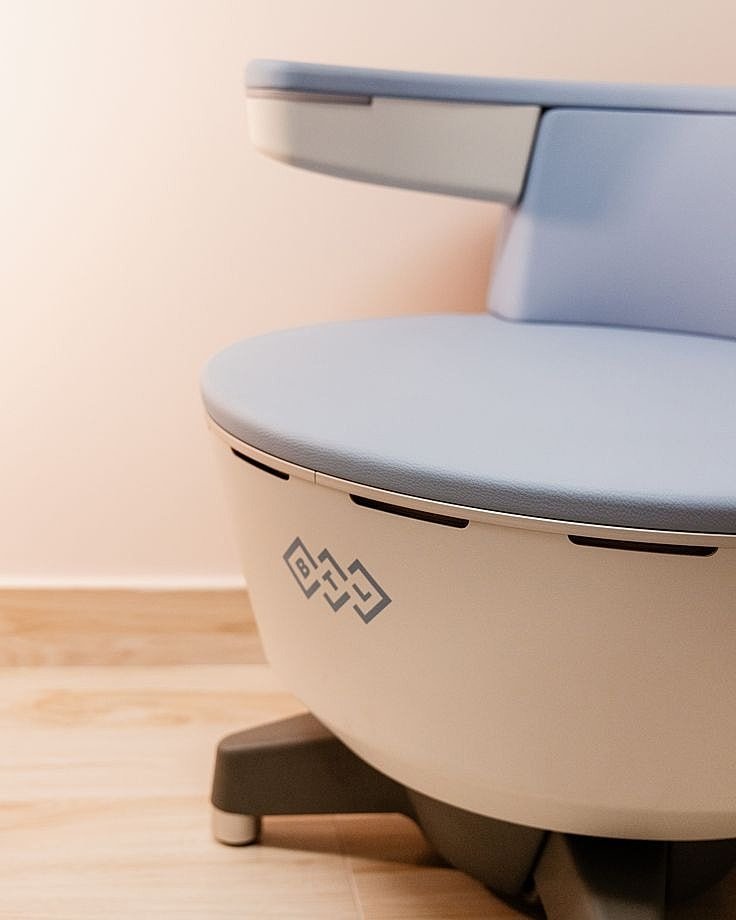
Another non-surgical, minimally invasive option some women explore is Emsella, a technology designed to stimulate the pelvic floor muscles through electromagnetic energy.
Emsella is sometimes described as a pelvic floor strengthening chair because the patient remains seated during treatment while the device delivers electromagnetic stimulation to the pelvic floor muscles.
The treatment does not require surgery or an invasive procedure. Depending on the individual and the treatment plan, a series of sessions may be recommended.
Women often search for Emsella results for women when researching this option. It is important to remember that individual experiences can vary, and results are not guaranteed. A consultation can help determine whether Emsella may be appropriate for your specific concerns.
For women interested in Emsella, a professional evaluation is an important part of understanding the technology and setting realistic expectations.
Who May Consider Non-Surgical Options for Pelvic Health?
Non-surgical pelvic floor treatment may be considered by women experiencing changes in pelvic floor function associated with pregnancy, childbirth, aging, or other factors.
You may want to discuss pelvic floor health with a healthcare professional if you have noticed:
Urine leakage during exercise or everyday activities
Increased urinary urgency
Changes after pregnancy or childbirth
Persistent pelvic pain, pressure or heaviness
Sexual dysfunction
A decrease in pelvic muscle strength
Concerns about maintaining pelvic floor strength as you age
These symptoms can have multiple potential causes, so a healthcare professional can help determine whether pelvic floor weakness may be contributing to your concerns.
What Does Pelvic Floor Treatment Cost?
One of the most common questions women have when researching treatment is cost.
The cost can vary significantly depending on the type of treatment, number of sessions recommended, provider, location, and individual treatment plan. Insurance coverage may also differ depending on the type of care.
If you are researching ways to treat pelvic floor conditions near me, it is helpful to ask about consultation fees, treatment recommendations, the number of sessions typically recommended, and what is included in the cost before beginning care.
At Revique Medical & Aesthetics, we encourage women to discuss their concerns during a consultation so their options can be reviewed based on their individual needs.
Finding a Pelvic Floor Disorder Treatment in the DFW Area

Pelvic health concerns are common, but that does not mean you have to ignore symptoms or assume they are simply a normal part of aging or motherhood.
Whether you are researching non-surgical incontinence treatment in DFW, looking into pelvic floor physical therapy, urinary incontinence in women or considering technology such as Emsella, there are several avenues to explore.
The right approach depends on the individual. Some women may benefit from clinician-guided therapy, while others may be interested in incorporating non-surgical technology into their overall pelvic wellness plan. In some cases, a combination of approaches may be discussed.
The first step is understanding what is happening and having an open conversation with a qualified healthcare professional.
Take the Next Step Toward Pelvic Health
Pelvic floor strength can change throughout a woman's life and affect women differently, but pelvic floor concerns are not something you have to be embarrassed to discuss. From postpartum changes to age-related concerns, understanding your options can help you make informed decisions about your health.
If you are searching for pelvic floor treatment near me in Arlington or the DFW area, Revique Medical & Aesthetics offers consultations to discuss women's wellness concerns and available non-surgical options, including Emsella.
Contact Revique Medical & Aesthetics to learn more about pelvic floor strengthening options and determine which approach may be appropriate for you.
